)
)
)
Shared Growth in Action: Why Backing Women in Furniture Is a Growth Strategy, Not a Side Project
Join us for an engaging and thought-provoking discussion on the experiences, challenges, and opportunities shaping the future for women in the furniture industry. Hear from inspiring voices, gain valuable insights, and connect with peers who are driving positive change across the sector.
📅 6 July 2026
🕒11:30am
📍Manchester Furniture Show
Secure your place today and be part of the conversation. Register now to avoid missing out on this inspiring event.
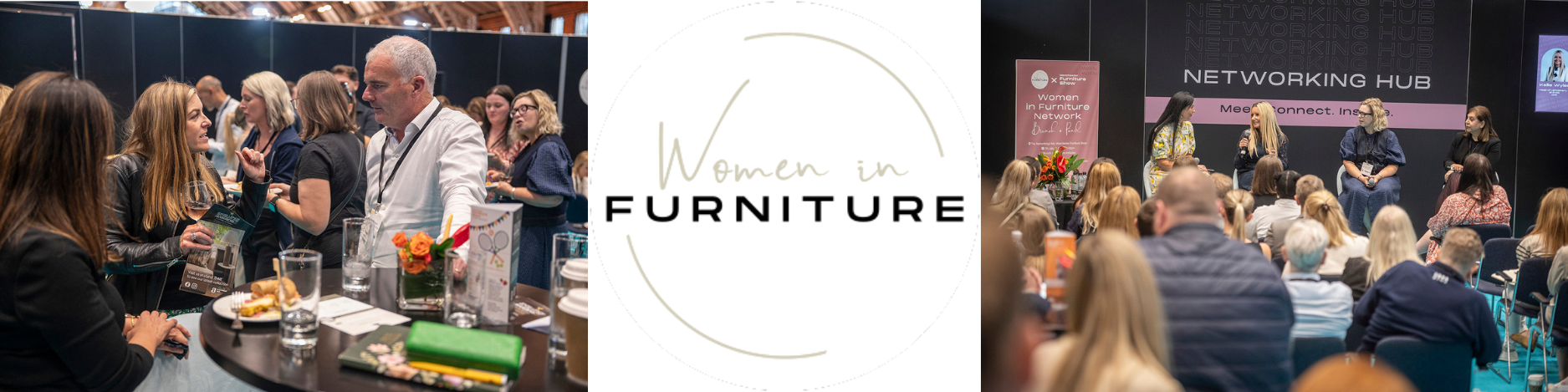
Walk into a Women in Furniture Network brunch and the energy hits you straight away. People aren’t making small talk, they’re swapping real stories, comparing notes and laughing in a way that feels more like long-lost colleagues than strangers from different corners of the industry. Buyers, designers, founders, merchandisers and marketers end up at the same table, talking honestly about how they’re building their careers in a sector with a traditional backbone that’s only now evolving. What comes through most clearly is ambition: women who want to move forward, lead and shape what comes next together, not alone.
That energy sits behind the Women in Furniture Network and underpins our next session at the Manchester Furniture Show: Shared Growth in Action. This isn’t a feel-good extra. It’s a direct question to the industry: what happens when the people who understand customer behaviour and real living environments aren’t in the rooms where decisions are made?
WIFN focuses on ensuring women across all career stages have access to the conversations and context that help them progress long before they hit a crisis point. And when that access is there, the impact is clear: women leading portfolios, shaping brands and driving more human-centred design. The task now is turning these individual successes into something more consistent across the sector.
Across WIFN conversations, familiar themes surface: the need for clearer routes forward, more visible role models and more presence in commercial and product decisions. Women are often closest to the customer and the product, yet furthest from the final call. That gap isn’t just structural, it’s commercial. When lived insight isn’t represented in range sign-offs or strategy discussions, decisions are made with an incomplete picture, increasing risk and slowing responsiveness.
We’ve tested different ways of connecting women across the sector, from online spaces to mentoring pilots, and the response has been consistent: when women are given space to share knowledge and build relationships, progress accelerates quickly. Even with limited capacity, the appetite for connection is obvious. Our presence at the major furniture shows proves it every time: the rooms fill, the conversations run deep and the demand for genuine connection is immediate. The challenge now is building on that momentum in a sustainable way.
Most industries now understand that diverse teams make better decisions. Furniture has its own added dimension: women drive most home-buying decisions, yet their insight is still under-represented in shaping product ranges, customer journeys and brand direction. The impact shows up in familiar ways: products that look good but don’t reflect daily life, journeys built around a single decision-maker and limited understanding of different living arrangements. Externally, brands claim to know their customers; internally, they don’t always include the people who actually do. Missing perspectives lead to missed opportunities.
Shared growth, in practice
Shared growth happens when knowledge, access and opportunity stop sitting behind closed doors. Sometimes it’s context shared at the right moment. Sometimes it’s an introduction that changes a project, a partnership or a career trajectory. These moments may seem small in isolation, but repeated across an industry, they reshape who gets seen, supported and promoted.
What it looks like beyond the panel
The value of a session like Shared Growth in Action continues long after the hour ends. Conversations spill into hallways, coffee queues and follow-up messages. Someone leaves with the confidence to pursue an idea they’d been sitting on; someone else sees a career path they hadn’t previously considered. A chance meeting turns into a collaboration or a timely piece of advice. This informal, peer-driven infrastructure makes the industry feel more open and easier to navigate, especially for those who haven’t historically had access to the behind-the-scenes networks where opportunities circulate.
The opportunity for brands
For brands, manufacturers and retailers, the message is clear: this needs to become part of core strategy, not a side conversation. Over the next few years, relevance will depend on whether the right voices are helping shape products, teams and customer experiences.
That starts with reviewing who is present when decisions are being made. If the people closest to customer behaviour and real-world usage are absent, critical context is missing. It also means reducing friction for women to take part in industry conversations, whether speaking on panels, attending events or simply being visible in spaces where influence forms. And while not every business needs large-scale programmes, intentional everyday actions such as introductions, cross-team collaboration and peer learning can have lasting impact.
Why Manchester, why now
Manchester brings together every corner of the industry, making it the ideal place to focus on shared growth at a moment when the sector is evolving quickly: changing customer expectations, sustainability pressures and new ways of working are reshaping the landscape. When an industry is in flux, the perspectives historically missing become even more essential.
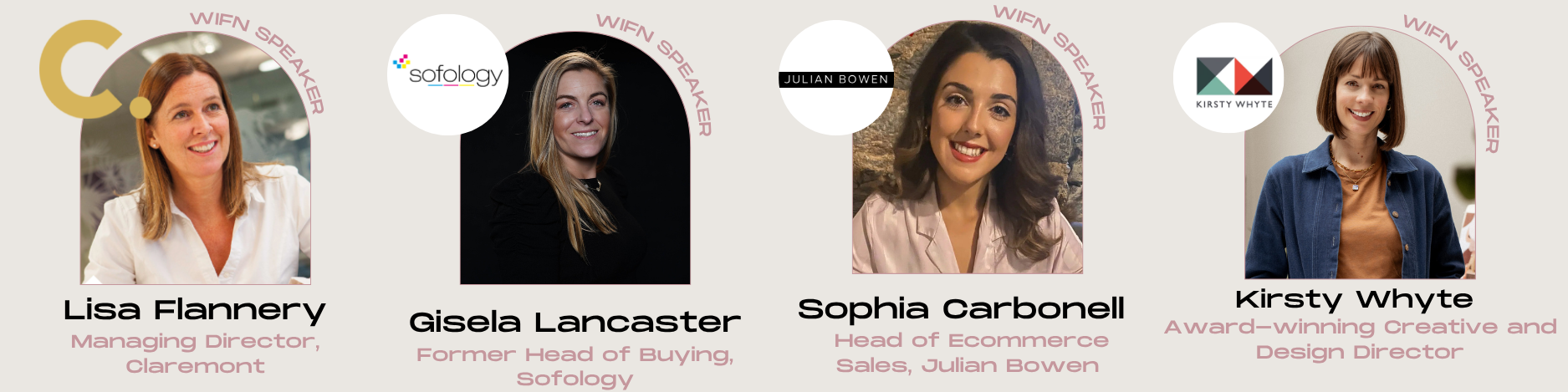
This year’s Shared Growth in Action panel brings together women working across product, customer and workplace strategy:
- Gisela Lancaster: Former Head of Buying - Sofology, reshaping product and sourcing strategies
- Sophia Carbonell: Head of Ecommerce Sales - Julian Bowen, with deep buying and merchandising experience
- Kirsty Whyte: Award-winning Creative and Design Director defining product and brand direction
- Lisa Flannery: Managing Director - Claremont, with decades of experience leading major commercial furniture project
Together, they represent different corners of the industry but share a common experience: building influence, leadership and visibility in spaces that haven’t always been designed with women in mind. The conversation will explore what supported their careers, where barriers still remain and what the industry needs to do differently moving forward.
For individuals, the session offers practical takeaways: stepping into visibility, reaching out to someone new or backing someone ready for their next step. For businesses, the message is more direct: ensuring the people who understand the customer are present and heard isn’t optional. It’s a strategic advantage.
Shared growth is already happening across the industry. The challenge now is making it consistent. The brands that recognise that early will be the ones best positioned for what comes next.
Join us for an engaging and thought-provoking discussion on the experiences, challenges, and opportunities shaping the future for women in the furniture industry. Hear from inspiring voices, gain valuable insights, and connect with peers who are driving positive change across the sector.